The Problem

The drug discovery industry is under increasing pressure to develop better drugs at lower cost.
Drug candidates typically fail for one of two reasons: they lack efficacy or they are not safe. When ineffective or unsafe compounds are identified early during preclinical screening, funds and resources can be redirected toward candidates with stronger therapeutic potential. This “fail fast, fail cheap” paradigm can reduce development time and cost, ultimately enabling more efficient delivery of effective drugs to patients.
One important way to improve the predictive value of screening assays is to make in vitro conditions more closely resemble in vivo biology.
In the human body, cells respond dynamically to environmental stimuli by continuously changing their functional states. In contrast, most screening assays evaluate cells under relatively static conditions, capturing either a single functional state or an ensemble average of randomly occurring heterogeneous states.
Because drug effects often depend on the functional state of the target cell, this static-assay paradigm can substantially limit the predictive value of conventional screening platforms.
The Solution
The solution to this problem is to dynamically provide stimulation signals to cells while monitoring their responses to drugs during kinetic screening assays.
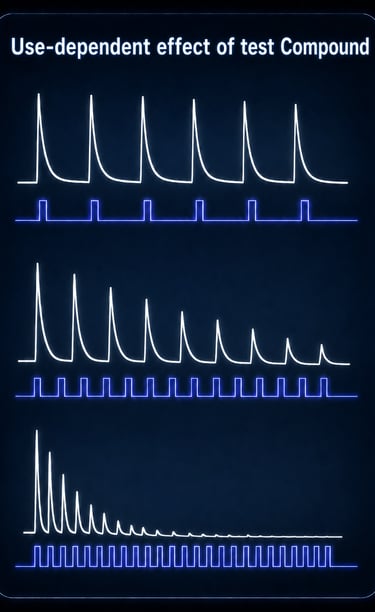
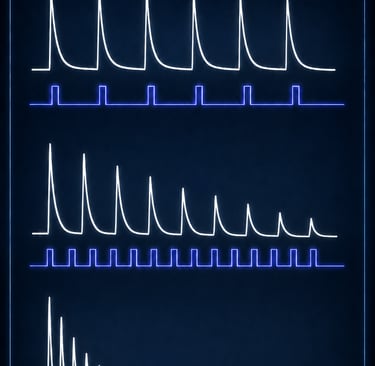
Such “built-in” cell stimulation will enable the discovery of use-dependent drugs and significantly increase the predictive values of drug screening assays by reducing false positive/false negative hits.
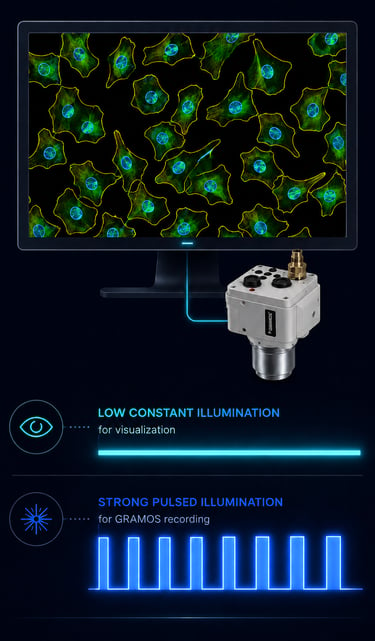
Our GraMOS technology provides the ability to optical stimulate cells without any interference with the optical recording modality. In other words, our G-plates can enable all-optical assays.
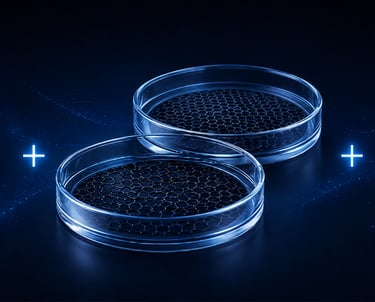
To accomplish this goal, Nanotools Bioscience is developing specialized nanotechnology-based cell culture microplates with “built-in” optical stimulation capabilities to provide dynamic optical stimulation of genetically intact cells during high-throughput screening drug discovery campaigns. Our cell-stimulating microplates are expected to have a transformative effect on drug discovery by
leading to the identification and validation of new therapeutic targets;
enabling the discovery of new drugs with complex activity-dependent mechanisms of actions that can only be discovered when cells are activated during screening assays;
making the drug discovery process profoundly faster and cheaper.
Ready to Get Started?
Contact our team to discuss how our all-optical assays can accelerate your research and drug discovery programs.
Our Location
Find us in the heart of the city, where innovation meets accessibility for all your bioscience needs.
Address
3195 Voigt Dr, La Jolla, CA 92093
Atkinson Hall, UCSD Campus
San Diego, CA
Hours
Mon-Fri 9am-6pm